


Categories
Recommend
-

Shenzhen Saas Testing’s Custom 50-Ton Computer-Controlled Electronic Horizontal Tensile Testing Machine Completes Technical Approval for Export to Portugal, Officially Enters Delivery Phase
-
Building the Future of Intelligent Manufacturing Together: Shenzhen Intelligent Manufacturing Industry Promotion Association and Shenzhen SAAS Testing Technology Co., Ltd. Reach Strategic Cooperation
-
EPT2150D High-Temperature Automatic Feeding Charpy Pendulum Impact Tester: Precise Temperature Control & Automatic Specimen Feeding for Metal High-Temperature Impact Testing
-
SAAS Testing Debuts at 2026 Liu Xiaochun Annual Speech & 5th Climbing Academic Conference, Empowering Material Research Implementation with Precision Testing Equipment
-
SAAS Testing EUT7205/NY126 Air Spring Static Performance Testing Machine: Guarding Suspension Safety & Quality with Precision Testing
-
Cantilever Rotary Bending Fatigue Tester EXW104ZX | Metal Fatigue Testing Equipment | SAAS Shenzhen
-
New Chapter Begins! SAAS Testing Hunan R&D & Production Base Opens, Focusing on Mechanical Testing Technology Innovation
-
Sansi Four-column Electro-hydraulic Servo Pressure Tester: One Machine for Anti-collision Beam, Threshold Beam & Energy Absorption Box Testing


Contact Us

Service Hotline:
4008-482-582

Business Consulting :
Mr. Bi
139-2342-3642

Email:
vip@saastest.cn

Address:
215, Building Al, Kechuang Park, Songbai Road, Longteng Community, Shiyan Street, Baoan District, Shenzhen
Core Function of SAAS Electronic Universal Testing Machine (Tensile Machine) and How to Ensure Its Accuracy and Reliability
Author:Shenzhen Saas Testing Technology Co., Ltd
Click:
Time:2025-12-25 00:00:00
In every rigorous phase of industrial manufacturing, scientific innovation, and quality control, precise material property data serves as the cornerstone for decision-making. The SAAS Electronic Universal Testing Machine (commonly known as a tensile testing machine), as the core equipment for material mechanical property testing, holds value not only in its powerful multifunctionality but also in the reliability of its measurement results. To fully leverage its value, it is essential to understand its functions, comprehend its applications, and systematically ensure its long-term accuracy and reliability.
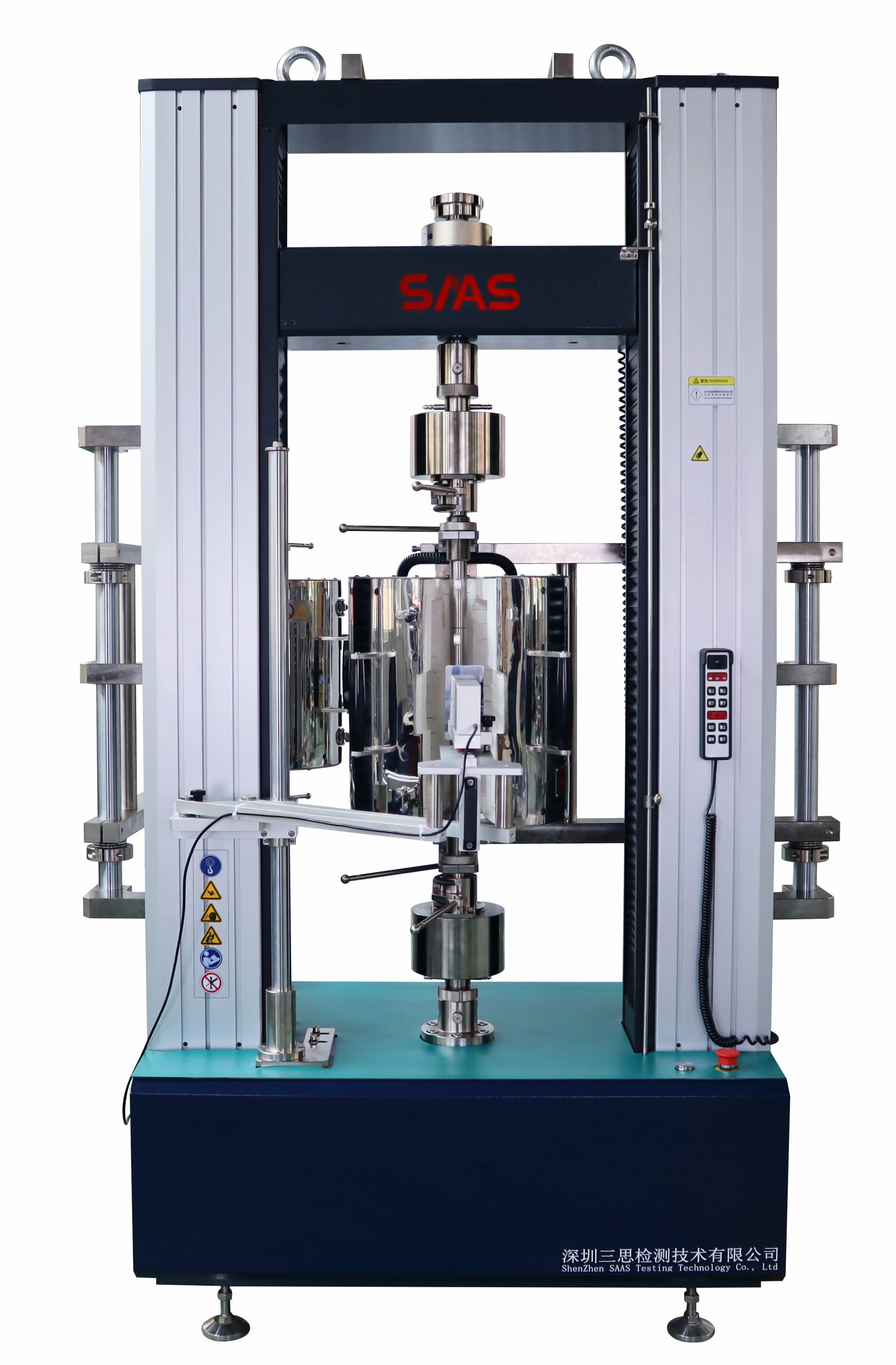
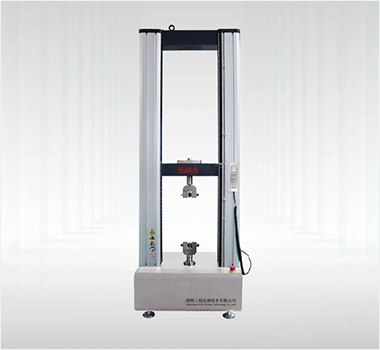
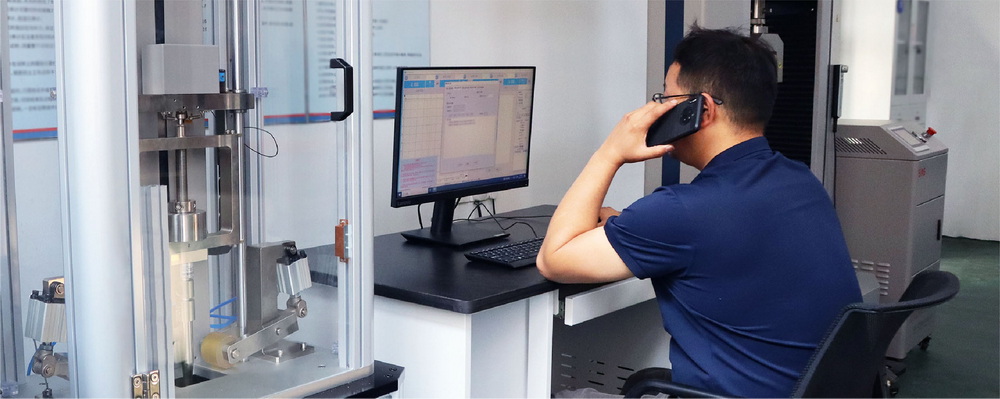
SAAS Testing's electronic universal testing machine is a versatile platform that goes beyond mere tensile testing. At its core, it is a modern testing system capable of precise load and displacement control and measurement. By utilizing various fixtures and accessories, this machine achieves multifunctionality, covering essential testing capabilities. For fundamental mechanical testing, it performs tensile, compressive, bending, shear, peel, and tear tests. It measures critical material parameters such as tensile strength, yield strength, elongation at break, elastic modulus, compressive strength, and flexural strength.
It is suitable for mechanical evaluation of all kinds of finished products or components, such as spring tensile and compressive mechanical curves, plastic pipe flattening test, metal component bearing capacity test, joint peeling force test, etc.
In terms of control modes, it supports displacement control, load (force) control, and more advanced strain (extensometer) control, which can simulate the stress state of materials under different working conditions to meet complex testing standards.

With its powerful capabilities, the SAAS Universal Testing Machine has become an indispensable 'quality gatekeeper' and 'R&D booster' across multiple industries. For instance, in the metal materials sector, it is used to analyze the strength, plasticity, and toughness of steel, alloys, and other metallic materials, serving as a cornerstone for fields such as metallurgy, mechanical manufacturing, and aerospace.
In the plastics and rubber industry, the determination of tensile strength, elongation at break, and constant elongation stress of various polymer materials is crucial for product modification and formulation development.
It also serves as a teaching and research platform for materials science, mechanics, civil engineering and other disciplines, to explore the characteristics and failure mechanism of new materials.
How can we ensure the accuracy and reliability of the electronic universal testing machine (tensile testing machine)?
To ensure the testing machine consistently delivers authoritative and precise data in these fields, a systematic safeguarding framework must be established. This includes regular metrological calibration: According to metrological regulations (e.g., JJG 139), mandatory verification and calibration of three core components—force sensors, displacement measurement systems, and extensometers—should be performed annually to ensure data traceability to national standards. Routine interim checks can be conducted using standard sample blocks.
Standardized Operation and Environmental Control: Operators must undergo professional training and strictly adhere to testing standards (e.g., GB, ISO, ASTM) for sample preparation, fixture selection, and parameter setting. The equipment should be installed in a stable, vibration-free environment with controlled temperature and humidity (recommended 20±5°C) to avoid electrical interference.
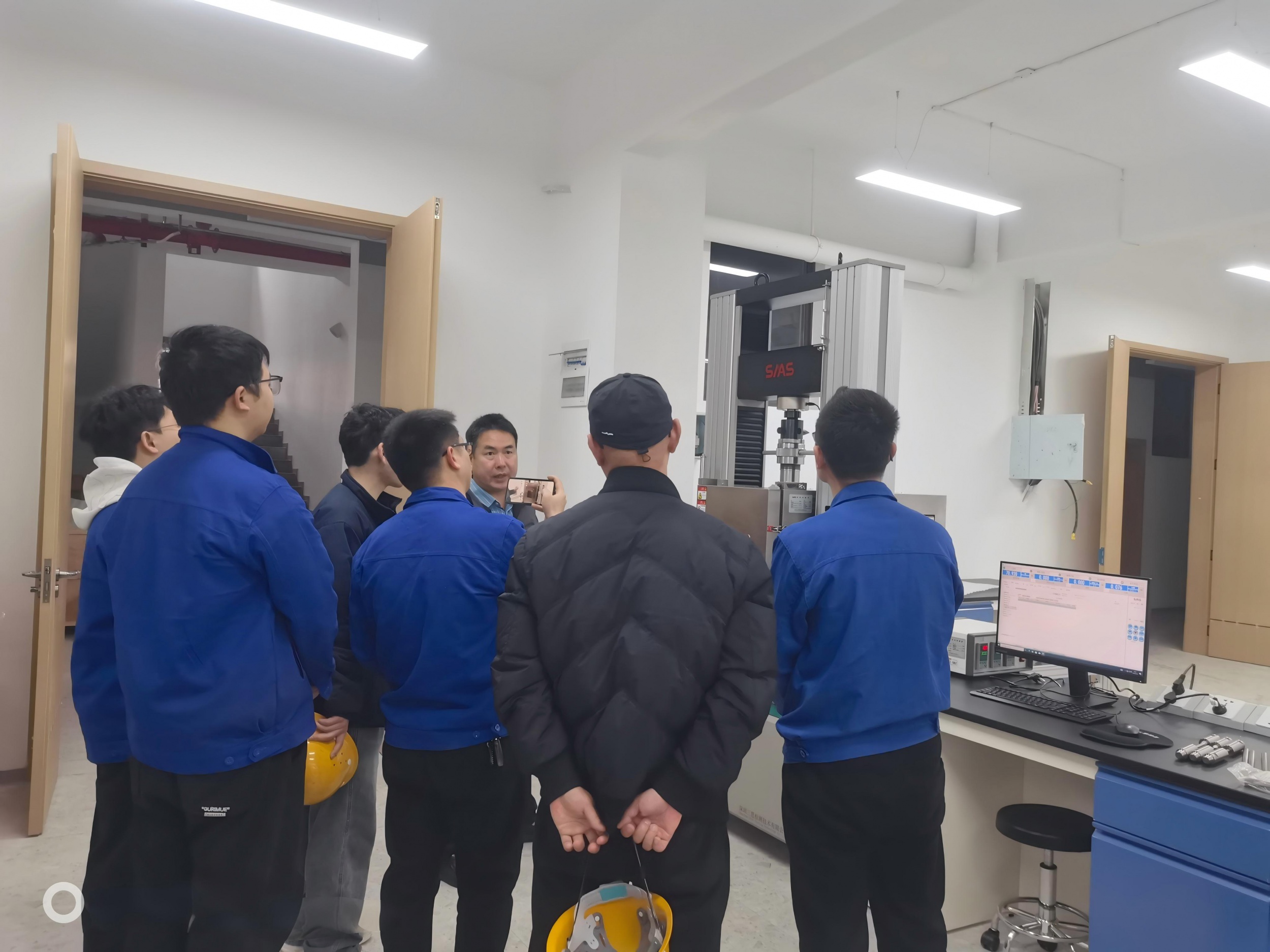
At SAAS Testing, each device is supported by professional after-sales engineers who assist with installation, debugging, and on-site training, ensuring seamless delivery of every unit to the laboratory. Preventive maintenance and care: The user laboratory shall establish a maintenance plan, regularly cleaning fixtures, lubricating ball screws and guides, and inspecting cables and connectors. Properly store precision accessories such as extensometers. Establish equipment archives to record the entire process of use, calibration, and maintenance, enabling controllable status management.
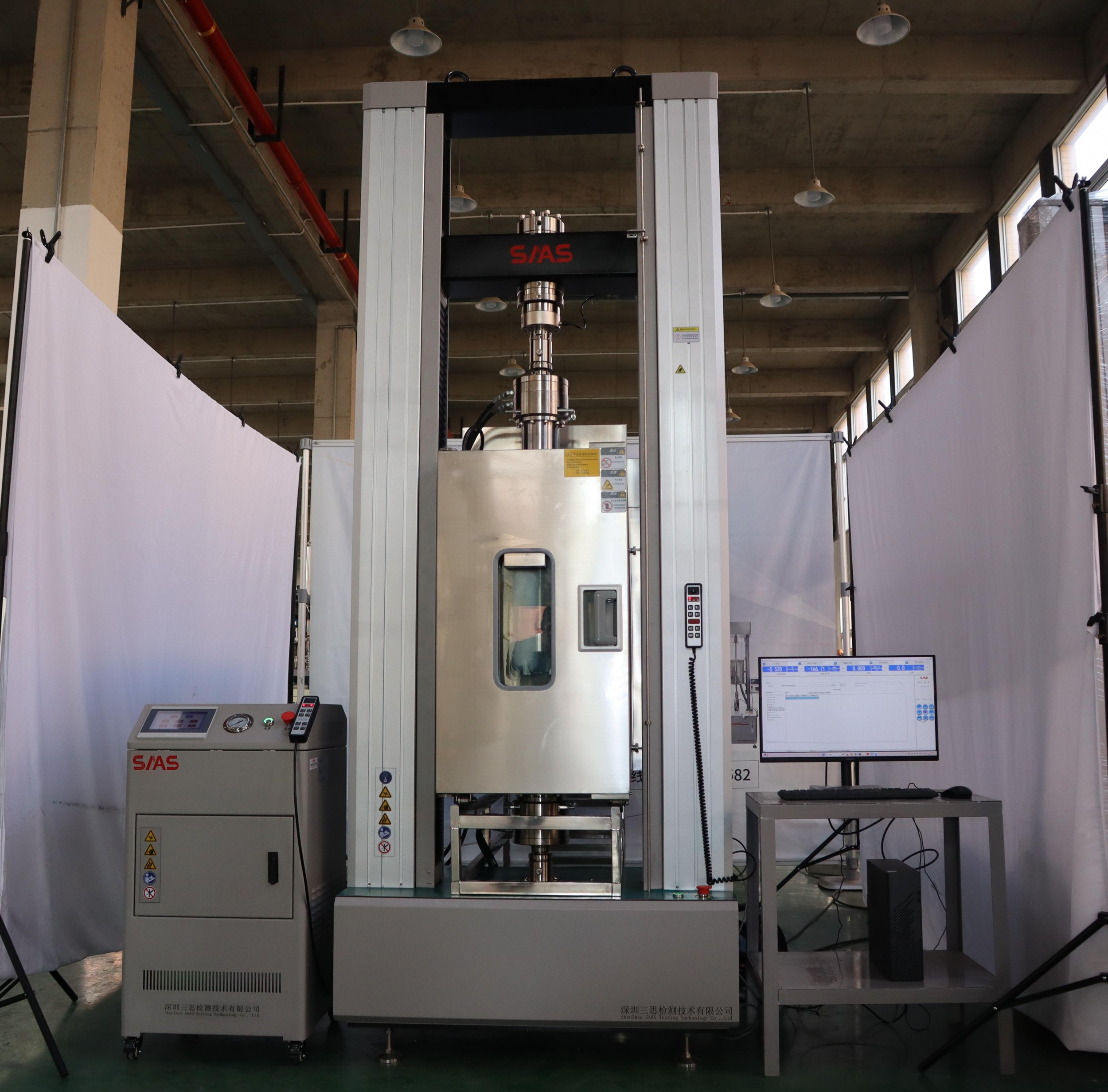
The SAAS Testing Electronic Universal Testing Machine combines multifunctionality and broad applicability, serving as a valuable tool for modern industry and research. To ensure this precision instrument consistently delivers accurate and reliable data, it requires a thorough understanding of its functional scope and application depth, coupled with scientific calibration, standardized operation, and meticulous maintenance. This approach empowers product innovation, safeguards quality and safety, and establishes the machine as a trusted partner for users.

Prev : The Automatic Four-Station Mechanical Testing System for Rubber Gaskets Developed by Shenzhen SANSI Testing Technology Co., Ltd. Facilitates Quality Upgrade of Sealing EnterprisesNext : Riding the Horse and Whipping the Whip, Embarking on a New Journey: New Year's Address and Holiday Schedule of Shenzhen SAAS Testing for 2026

Service Hotline
4008-482-582
vip@saastest.cn
215, Building Al, Kechuang Park, Songbai Road, Longteng Community, Shiyan Street, Baoan District, Shenzhen
Friendly Link1:www.saastest.cn/
Friendly Link2:www.chem17.com/product/detail/38039629.html
PREV
NEXT
Scan the code to follow us

WeChat Public

Micro-signal

Bilibili
